Learn ChessFrontier
Hidden Chess: plan with incomplete information
Hidden Chess at ChessFrontier adds uncertainty to the standard chess board. Each side’s non-king pieces are shuffled into hidden identities. The king stays visible, so checks, checkmate and draws remain central while the rest of your information develops during play.
Play free vs computerNo account needed for computer practice. Sign in on the home page for online play.
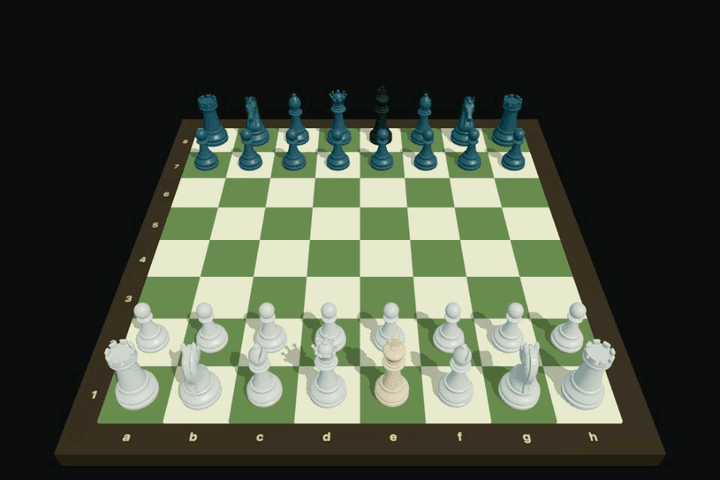
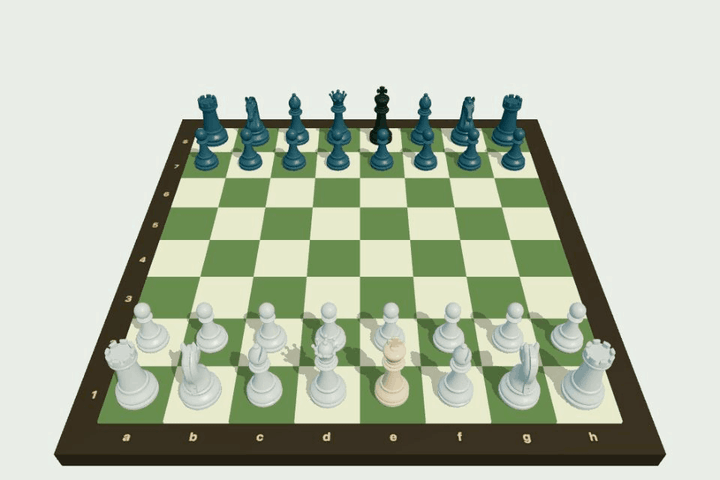
What is hidden, and what can I see?
You can see the board, kings and the apparent starting pieces. You cannot initially see the true identities of non-king pieces. Until a hidden piece moves, it moves like the piece normally starting on its square. Its first move reveals its true identity to both players.
How is Hidden Chess different from standard chess?
In standard chess, both players know every piece’s identity. Here you make decisions under uncertainty. Capturing an unrevealed piece gives only the capturer its identity. This creates private knowledge; it does not hide the whole board or turn the game into ordinary blindfold chess.
How do I begin?
Open the game and select guest computer practice. No registration or download is needed to try it. For online play, sign in and choose a clock or create a game. Online matchmaking may pair you with a clearly marked rated Bot when a person is unavailable.
Hidden Chess rules and Reveal Chess
Reveal Chess is another name used for this same ChessFrontier variant. Read the complete rules before relying on standard-chess assumptions about special moves: castling reveals the corner piece, en passant needs a real pawn, and promotion follows a revealed pawn reaching the last rank.